If you lead a supply chain today, chances are effort is not your challenge. Systems are operating. Freight is moving. Service metrics are being met.
At the same time, your team may be navigating cost swings, shifting capacity, and real-time disruptions. Networks have grown more layered. Carrier lists have multiplied. Tools have been stacked. Each decision served a purpose in that moment.
But over time, that accumulation can weigh down even the strongest operations.
The most resilient shippers in 2026 are not chasing more systems or more providers. They are pausing to ask a focused question: Has complexity overtaken clarity?
Why Supply Chain Complexity Slows Performance
Growth brings opportunity. It can also bring inefficiency. New customers require new lanes. Service promises tighten transit windows. Procurement decisions add carriers to protect capacity. Technology tools accumulate to improve visibility.
Over time, complexity becomes normalized.
That shows up in small but significant ways:
- Unexplained service swings.
- Recurring accessorials despite steady volume.
- Routing plans that look solid but fall apart in execution.
- Meetings that dwell on fire drills instead of long-term improvement.
These aren’t signs of inexperience. They’re signals of over-layered processes.
Capability improves when transportation, warehousing, and planning move with cohesion. Complexity builds when they operate in isolation. Transportation often reveals this first because it touches everything.
When that part of the system lacks alignment, everyone feels the impact.
Transportation as the First Lever in Supply Chain Simplification
Transportation is more than a line on a budget. It is a live reflection of how the network is performing.
Tender acceptance reflects forecast quality. Transit pressure reveals inventory decisions. Delivery performance exposes how tightly your commitments are matched to operational reality.
For this reason, many shippers are beginning to simplify their transportation.
Manufacturers that are regaining control are focusing on:
- Streamlining routing guides to reduce recurring exceptions
- Consolidating carrier strategy to improve accountability and performance visibility
- Aligning service expectations with achievable transit times
- Using lane level data to refine transportation network design
- Strengthening feedback loops between sales, planning, and operations
This initiative is not a one-time project. Conditions shift by season, region, and lane. Carrier performance and market dynamics evolve. Staying ahead requires a commitment to continuous improvement informed by current data.
Internal transportation teams often prioritize managing the day-to-day. Daily execution can overshadow long-term design.
A longer lens is necessary for simplification.

Aligning Transportation, Warehousing, and Planning
Reducing complexity is not only about tools and roles. It is about creating shared focus across disciplines.
Forecasting, packaging, warehousing, and transportation all see the network differently. If they stay siloed, variability creeps in. When they work from shared data and aligned goals, systems become steadier.
In many organizations, that alignment now includes transportation partners viewed not as vendors, but as true extensions of the internal team.
When performance is reviewed together. When exceptions are addressed proactively. When strategy is informed by customer commitments and lane-level data. Decisions get faster. Surprises shrink.
Leading teams are investing in:
- Dashboards that connect plans to real outcomes.
- Clear exception ownership across teams and partners.
- Routine communication between commercial leaders and freight planners.
- Packaging and palletization strategies informed by real carrier trends
This kind of collaboration is not a loss of control. It is a way to strengthen it by ensuring freight decisions match both internal strategy and external conditions.
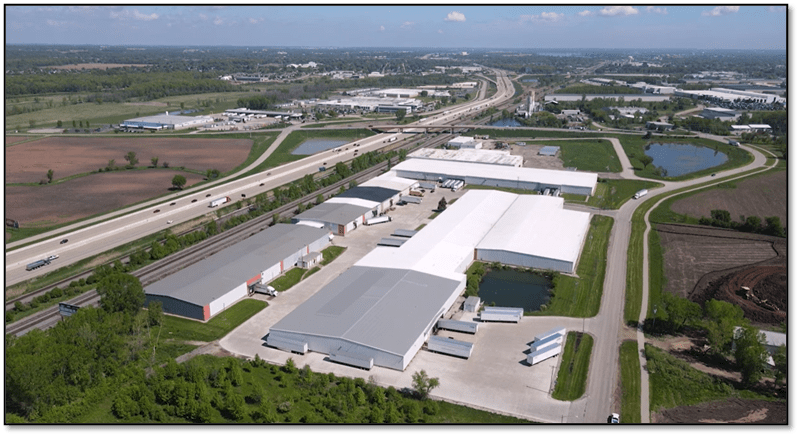
For many national manufacturers, Midwest distribution strategy plays a stabilizing role in this alignment. Central geography shortens transit to major population centers and supports more consistent two-day and three-day service profiles. When transportation planning is anchored in that geographic advantage, simplification accelerates across the network.
Building a Resilient Transportation Network in 2026
More shippers are recognizing that control comes not from rigidity but from informed flexibility.
Access to a diversified carrier base, market intelligence, and performance insights make networks more adaptive. Lanes can be rebalanced. Models can shift. Seasonal surges can be absorbed without destabilizing broader operations.
This approach expands capability without adding unnecessary structural layers. It reduces risk tied to single points of failure. It enhances negotiating power. It helps protect service performance as markets shift.
That is why forward-thinking organizations now view their transportation partnerships less as transactions and more as multipliers. The right partner brings added visibility, optionality, and executional strength — without introducing more weight.
Simplification Creates Room for Strategic Growth
When freight variability declines, the impact extends well beyond transportation.
Warehouses gain consistency. Service teams spend less time reacting. Forecasting improves. Most importantly, leadership regains space to focus on strategy — not just daily recovery.
Simplification is not about doing less. It is about building a stronger platform to do more, with less friction and greater confidence.
If your transportation strategy feels more reactive than intentional, now may be the right time to pause, refocus, and realign. Simplification might be the most strategic shift you make in 2026.
Transportation is rarely the only answer. It is often the most visible place to begin.